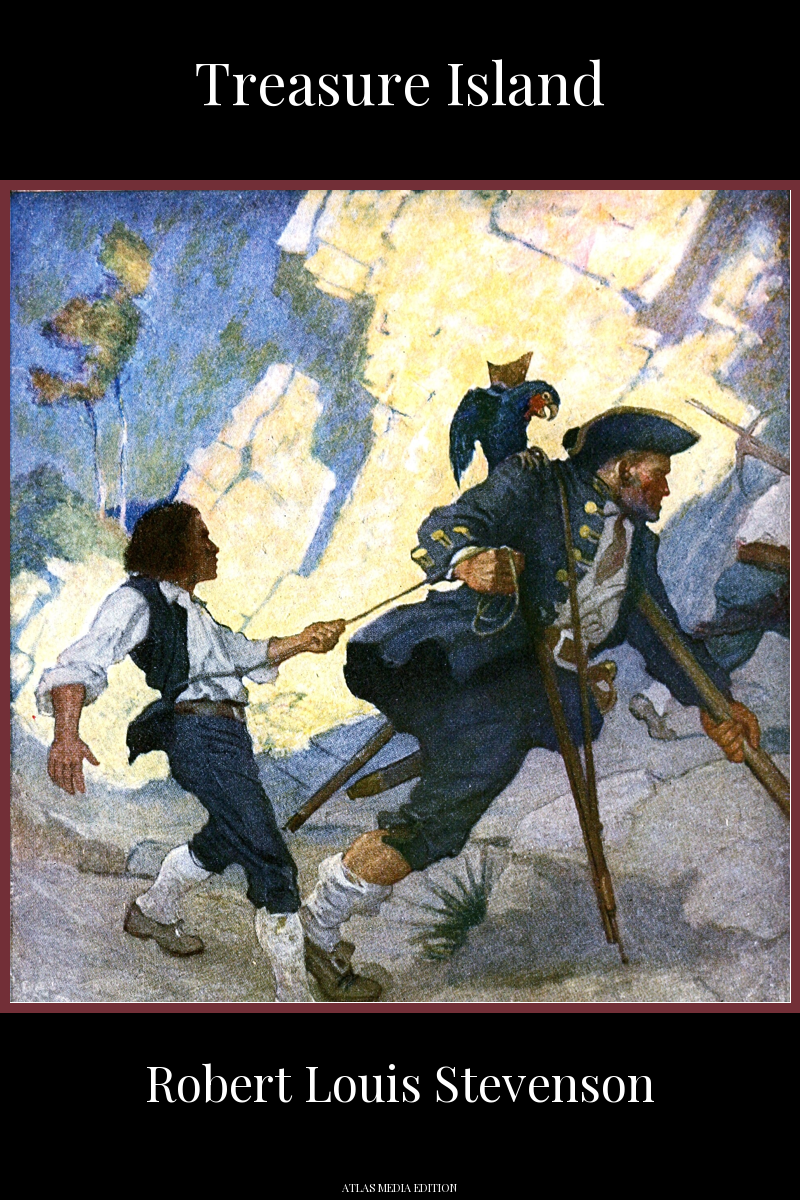
- Novel
Treasure Island
- Published: 1883
- Atlas edition: V1.3 ·
- Language: English
ABOUT THE AUTHOR
Robert Louis Stevenson
1850–1894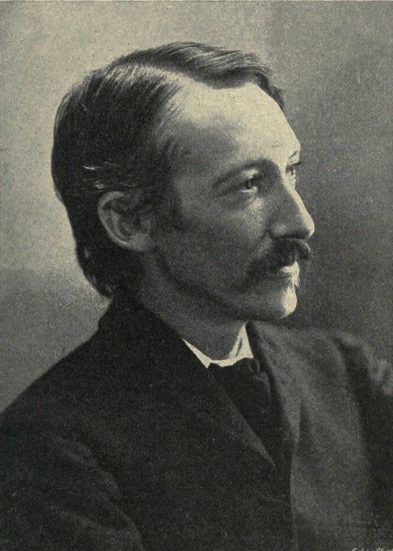
Robert Louis Stevenson (1850 to 1894) was an author whose works include Treasure Island. The dedication of this novel is to Lloyd Osbourne, whom Stevenson calls an American Gentleman and an affectionate friend, in return for numerous delightful hours. The book opens with a verse that places the author in the tradition of Kingston, Ballantyne and Cooper.
ABOUT THE WORK
Treasure Island
Treasure Island is an adventure novel by Robert Louis Stevenson, set in the 18th century. Young Jim Hawkins, son of an innkeeper at the Admiral Benbow Inn, narrates how a brown old seaman with a saber cut comes to lodge there, and how his sea-chest draws Jim, Squire Trelawney and Doctor Livesey into a voyage in search of buried pirate gold. The story offers buccaneers, a map, a schooner, a remote island and a dangerous question of whom to trust. It is a classic pirate story and a coming-of-age tale told in the first person.
WHY IT MATTERS
Why read it
Read it for the pleasure of a story that never wastes a page. Stevenson gives you a lonely inn, a storm, a map, a ship, an island and a villain you cannot help liking, and he does it with such speed and confidence that the genre seems to be born whole. Much of what we think of as pirate lore, from the sea-chest to the rollicking chorus of “Yo-ho-ho and a bottle of rum”, is fixed here in lasting form. But it is more than a source of images. It is a boy’s story about judgment: whom to obey, whom to fear, and how charm can sit beside cruelty. Nothing else gives quite this mixture of nursery thrill and moral unease, in prose clear enough for a child and exact enough to reward a scholar.
Reading it closely
The first chapter shows how the book works. Jim narrates in retrospect, writing at the request of Squire Trelawney, Doctor Livesey and the others, and withholding only “the bearings of the island”. That frame promises survival and a secret still kept. The prose is concrete and physical: the captain has a “tarry pigtail”, “black, broken nails” and a saber cut “a dirty, livid white”. Stevenson builds menace by suggestion. The one-legged seafaring man is never seen at first, yet he haunts Jim’s dreams, taking “a thousand forms”. Fear is made vivid by the imagination of a child, not by description alone.
The sea-song works as a refrain and a warning. The neighbours sing it “with the fear of death upon them”, so a jolly chorus becomes a sign of tyranny. Note too the contrast between the neat, powdered doctor and the “filthy, heavy, bleared scarecrow of a pirate”: order set against disorder, a pattern that returns on the voyage. The verse addressed to the hesitating purchaser and the dedication to Lloyd Osbourne announce a deliberate return to “the ancient way” of adventure, in the tradition of Kingston, Ballantyne and Cooper. The book is both a fresh story and a conscious tribute to older ones.
Then and now
The novel was published as a book in 1883, set in the 18th century and telling a story of “buccaneers and buried gold”. It was written for boys, in the line of writers Stevenson names in his opening verse, yet it has long been read by adults as a model of narrative craft. Its reputation has moved from the adventure shelf toward the classroom and the critical essay, where its handling of point of view, moral ambiguity and the education of a young narrator receive serious attention. Its imagery has so deeply shaped popular ideas of pirates that readers meeting it for the first time often feel they already know it.
A way in
Begin at chapter one and let the Admiral Benbow set the tone. Watch how Jim’s fear grows from small details, and notice every song and every promise of payment. If you read slowly, you will see how much character Stevenson fits into a few lines of dialogue.
Edition Record
- First publication
- 1883
- Textual basis
- Source text: Standard Ebooks, https://standardebooks.org/ebooks/robert-louis-stevenson/treasure-island
- Atlas edition
- V1.3 ·
- Language
- English
Prepared from the recorded source and the reviewed Atlas working edition.
Accessibility: EPUB and PDF are offered where approved; accessibility features have not been independently certified.
Source & Rights
- Text source
- Standard Ebooks

Treasure Island by Robert Louis Stevenson. Source text prepared from the Standard Ebooks edition (https://standardebooks.org/ebooks/robert-louis-stevenson/treasure-island).