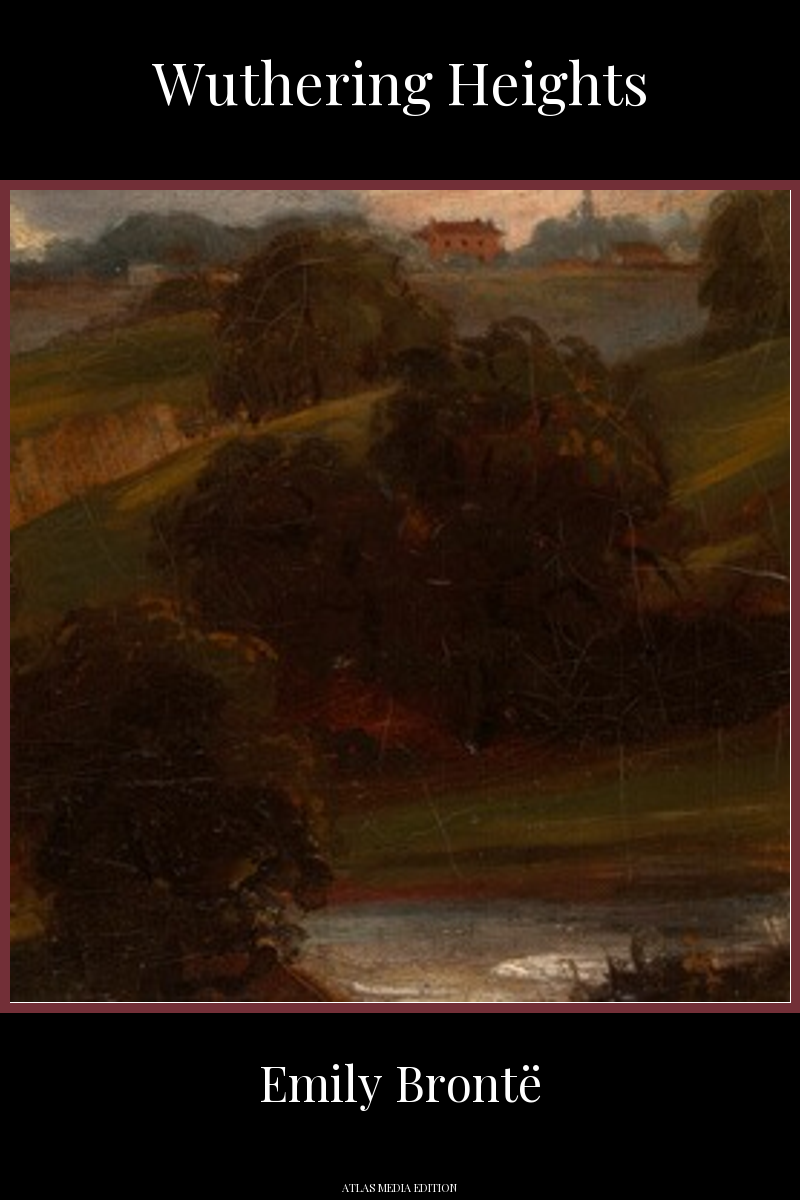
- Novel
Wuthering Heights
- Published: 1847
- Atlas edition: V1.3 ·
- Language: English
ABOUT THE AUTHOR
Emily Brontë
1818–1848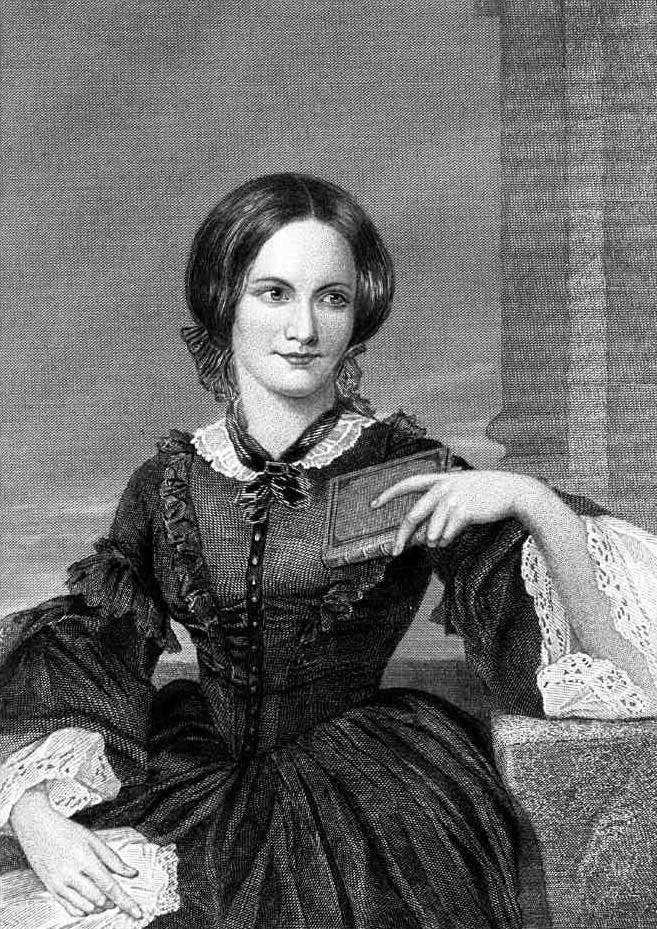
Emily Brontë (1818 to 1848) was an English novelist and poet. Wuthering Heights, initially published in 1847 under her pen name Ellis Bell, is her only novel. She died in 1848, the year after it appeared.
ABOUT THE WORK
Wuthering Heights
This is a novel of love, revenge and class set on the Yorkshire moors, the only novel by Emily Brontë. In 1801 a city gentleman, Mr. Lockwood, rents Thrushcross Grange and visits his landlord Heathcliff at the farmhouse of Wuthering Heights. A housekeeper, Nelly Dean, then tells him the history of two families, the Earnshaws and the Lintons. At its center are Heathcliff, a foundling raised by the Earnshaws, and Catherine Earnshaw, whose bond with him and choice of another man set off a harsh chain of cruelty that runs across two generations.
WHY IT MATTERS
Why read it
Few novels are as strange, or as hard to put down, as this one. It offers a love story with no comfort in it, a passion that does not behave like romance in other Victorian fiction and refuses to be tidied into a moral. Heathcliff is neither hero nor simple villain, and Catherine is neither victim nor tyrant, so the reader is kept off balance, alternately repelled and drawn in. Read it for the sheer force of its emotional extremes, for the way a bleak landscape seems to think and feel, and for a plot that circles back on itself with the logic of a nightmare. It also rewards rereading, because the narrators you trusted on first meeting begin to look partial, even self-serving. Nothing else gives quite this mix of gothic atmosphere, social anger and psychological daring.
Reading it closely
The structure is the first thing to study. The story reaches us through nested narration: Lockwood writes a diary, and within it Nelly Dean tells the tale, with other voices embedded in turn. Each filter shapes what we believe. Lockwood is conventional, vain and easily shocked, so his first impressions of Heathcliff, a man he reads as a gentleman in manner but a gipsy in aspect, prove wrong in ways the novel enjoys. Nelly is shrewd and warm, yet she meddles, judges and withholds, so her account is never neutral.
The novel is built on doubles and oppositions. Wuthering Heights and Thrushcross Grange stand for storm and shelter, nature and culture, wildness and refinement. The two generations mirror one another, with names and fates repeating, which gives the book a closed, almost fated pattern. Note the opening description of the house itself: the word “wuthering” is glossed as describing “atmospheric tumult”, and the crooked firs and thorns lean one way, as if the weather had a will. Landscape is never backdrop here. Windows, thresholds and doors recur, marking the borders between inside and outside, living and dead, civilised and savage. Dogs, ghosts and violence break into the drawing room from the first chapter. Brontë’s language swings between plain dialect speech and sweeping, almost mythic declarations, and that contrast creates much of the book’s power.
Then and now
The novel was first published in 1847 under the pen name Ellis Bell. Early readers were often unsettled by its violence and its lack of a clear moral center, and many reviewers found it powerful but coarse. For a time it was seen as less accomplished than a sister’s novel. Over the following decades, critics came to recognise its originality of structure and intensity, and in the twentieth century it was firmly established as a classic. It is now a staple of school and university study, much adapted for film, television, stage and music, and read through many lenses, including gothic, feminist, Marxist, postcolonial and psychoanalytic approaches. Its reputation has risen from a puzzling oddity to one of the central works of English fiction.
Controversies
Readers have long argued over how to read Heathcliff, who is described by Lockwood as a “dark-skinned gipsy”. Some critics see in this language a reflection of period racial attitudes, and debate whether the novel exposes or shares them. Others argue about whether the book condemns or admires his cruelty, and whether its ending offers redemption or only exhaustion. Contemporary reviewers also objected to its brutality. These are contested readings, not settled facts.
A way in
Start at the beginning and notice that Lockwood is an unreliable guide. Keep a short list of the two families and their children, since names repeat. Pay attention to weather, windows and thresholds. Read slowly through the dialect speech of Joseph, which becomes easier. Expect the story to feel less like a romance than a haunting.
Edition Record
- First publication
- 1847
- Textual basis
- Source text: Standard Ebooks, https://standardebooks.org/ebooks/emily-bronte/wuthering-heights
- Atlas edition
- V1.3 ·
- Language
- English
Prepared from the recorded source and the reviewed Atlas working edition.
Accessibility: EPUB and PDF are offered where approved; accessibility features have not been independently certified.
Source & Rights
- Text source
- Standard Ebooks
Wuthering Heights by Emily Brontë. Source text prepared from the Standard Ebooks edition (https://standardebooks.org/ebooks/emily-bronte/wuthering-heights).