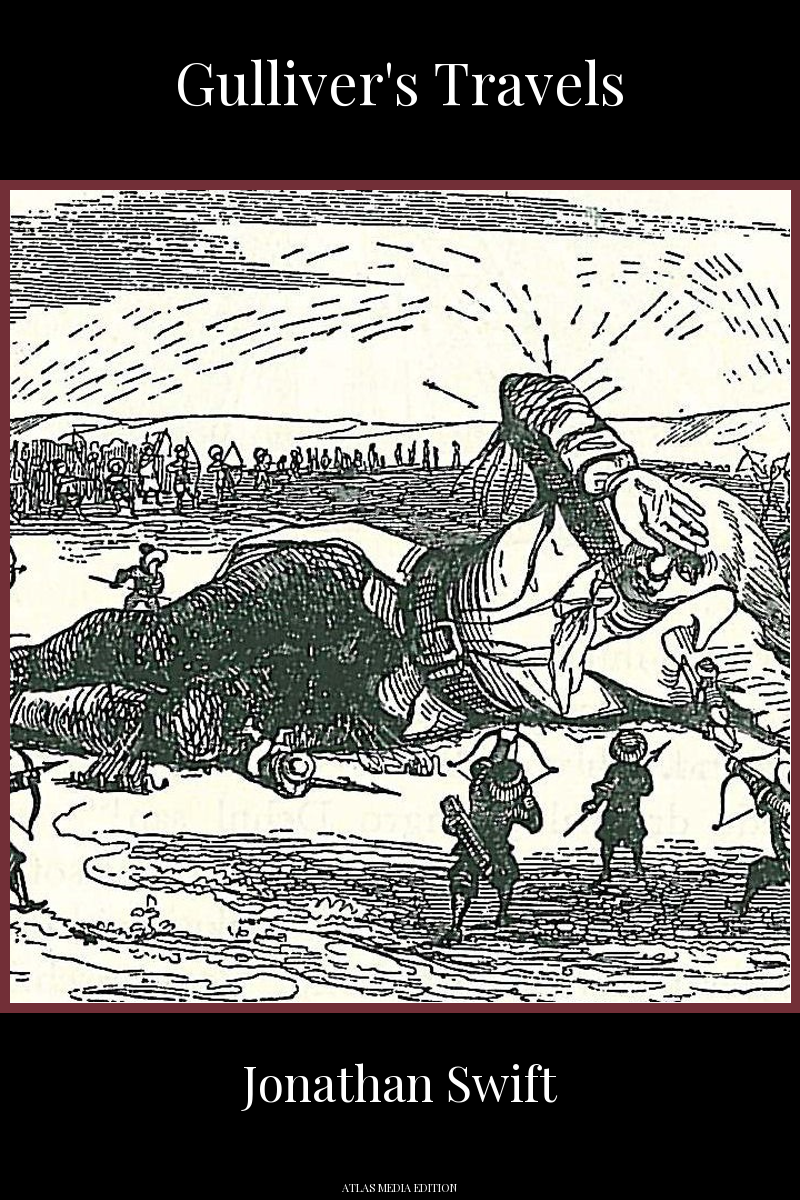
- Novel
Gulliver’s Travels
- Published: 1726
- Atlas edition: V1.5 ·
- Language: English
ABOUT THE AUTHOR
Jonathan Swift
1667–1745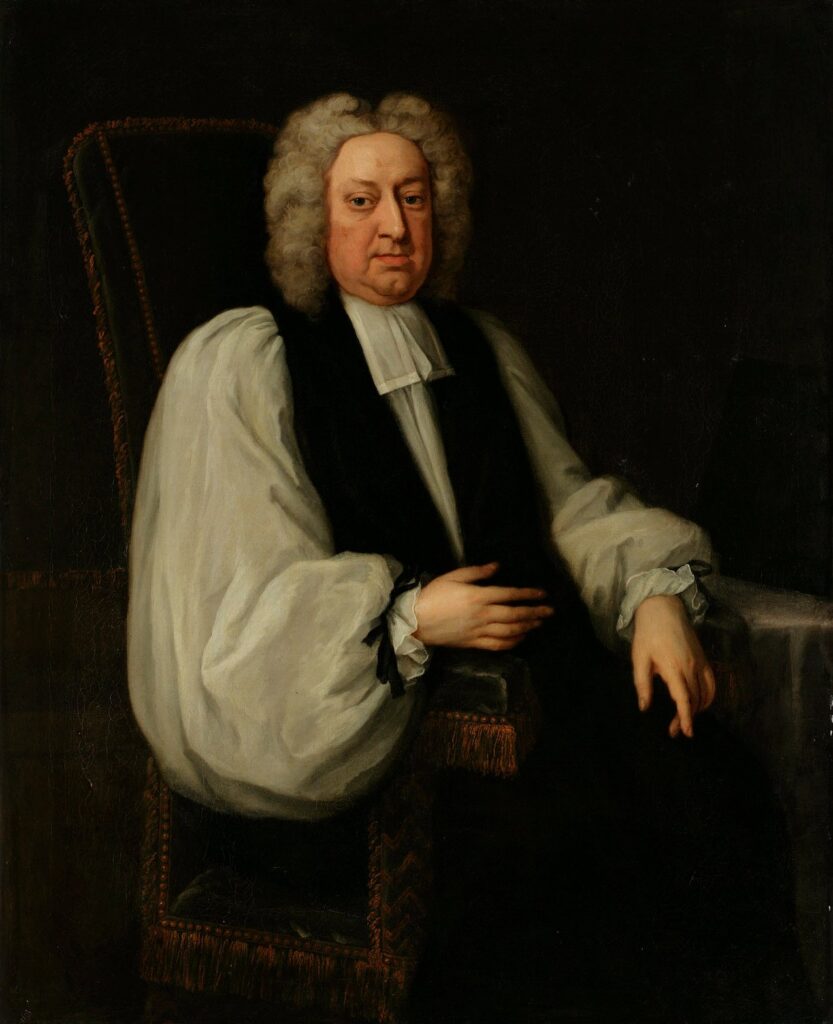
Jonathan Swift (1667 to 1745) was an Anglo-Irish writer and clergyman. He is best known for his satirical prose, above all Gulliver’s Travels, which presents itself as the work of the fictional Lemuel Gulliver.
ABOUT THE WORK
Gulliver’s Travels
Gulliver’s Travels is a satirical prose novel by the Anglo-Irish writer and clergyman Jonathan Swift, presented as the memoir of Lemuel Gulliver, a ship’s surgeon and later a captain. It recounts four voyages to imaginary lands: Lilliput, Brobdingnag, Laputa and its neighbours, and the country of the Houyhnhnms and Yahoos.
The book poses as a plain traveller’s account, complete with a publisher’s note and a letter from Gulliver himself. Beneath that surface it is a sustained satire on politics, learning, travel writing and human nature.
WHY IT MATTERS
Why read it
Here is the case for reading a book that is far stranger and sharper than its reputation as a children’s tale.
Most readers meet the tiny Lilliputians in a cartoon and stop there. The full book keeps going, and it keeps getting darker and funnier. It gives you a narrator who believes every word he says, even as the reader slowly sees through him. Few books let you watch a mind change so completely, or make you laugh so uncomfortably at your own species.
It also offers something rare: satire that still bites. Swift attacks party faction, lawyers, physicians, projectors and the vanity of reason itself. You do not need to know the quarrels of his day to feel the sting.
Reading it closely
The method of the book is deadpan, and the deadpan is the whole joke.
Swift frames the work as authentic travel writing. The publisher, Richard Sympson, calls the style “very plain and simple” and says the author is “a little too circumstantial”. That fussy precision is the trap: Gulliver reports the absurd with the calm of a ship’s log, so the absurdity seems to come from the world, not the author.
The structure moves by reversal of scale. In Lilliput Gulliver is a giant and human pride looks petty. In Brobdingnag he is tiny and human bodies look grotesque. Laputa turns to intellect, mocking the academy of projectors and science detached from use. The last voyage removes scale and asks what a rational creature is.
Gulliver himself is the central device. He starts as an ordinary, curious Englishman and ends by preferring his horses to his family. Swift never states the verdict. We must decide whether Gulliver has found truth or lost his balance.
The prose is clear, concrete and relentless. Swift lets plain nouns do cruel work, and the Yahoos, naked and filthy, are a mirror held at an angle.
Then and now
The book was a sensation on arrival. Evidence points to a first appearance in 1726, and the 1727 letter in the front matter, “Written in the Year 1727”, is itself part of the fiction, complaining of keys, libels and second parts that followed.
That joke reflects real attention: readers hunted for hidden political meanings, and some debated whether the voyages were true. Over time the work split in two. Its first voyage was abridged into a nursery classic, while the fuller text kept its place as a landmark of English satire. Today it is read as both a political allegory and a study of human self-regard, and it remains a standard text for courses on satire.
Controversies
The book has long divided readers over what Swift intends. The Gulliver of the preface complains of being accused of “degrading human nature” and “abusing the female sex”, charges the text itself records. Critics have since argued over the fourth voyage: some read the Houyhnhnms as Swift’s ideal, others read them as a target of satire, with Gulliver’s misanthropy as the joke. The text allows both readings, and the dispute remains open.
A way in
Start with the front matter, the publisher’s note and Gulliver’s letter, since they set the tone. Then read the voyages in order. Watch how Gulliver’s confidence and his judgments change from one to the next. Pay special attention to the final voyage, and ask whether you trust the narrator by the end.
Edition Record
- First publication
- 1726
- Textual basis
- Source text: Standard Ebooks, https://standardebooks.org/ebooks/jonathan-swift/gullivers-travels
- Atlas edition
- V1.5 ·
- Language
- English
Prepared from the recorded source and the reviewed Atlas working edition.
Accessibility: EPUB and PDF are offered where approved; accessibility features have not been independently certified.
Source & Rights
- Text source
- Standard Ebooks

Gulliver's Travels by Jonathan Swift. Source text prepared from the Standard Ebooks edition (https://standardebooks.org/ebooks/jonathan-swift/gullivers-travels).