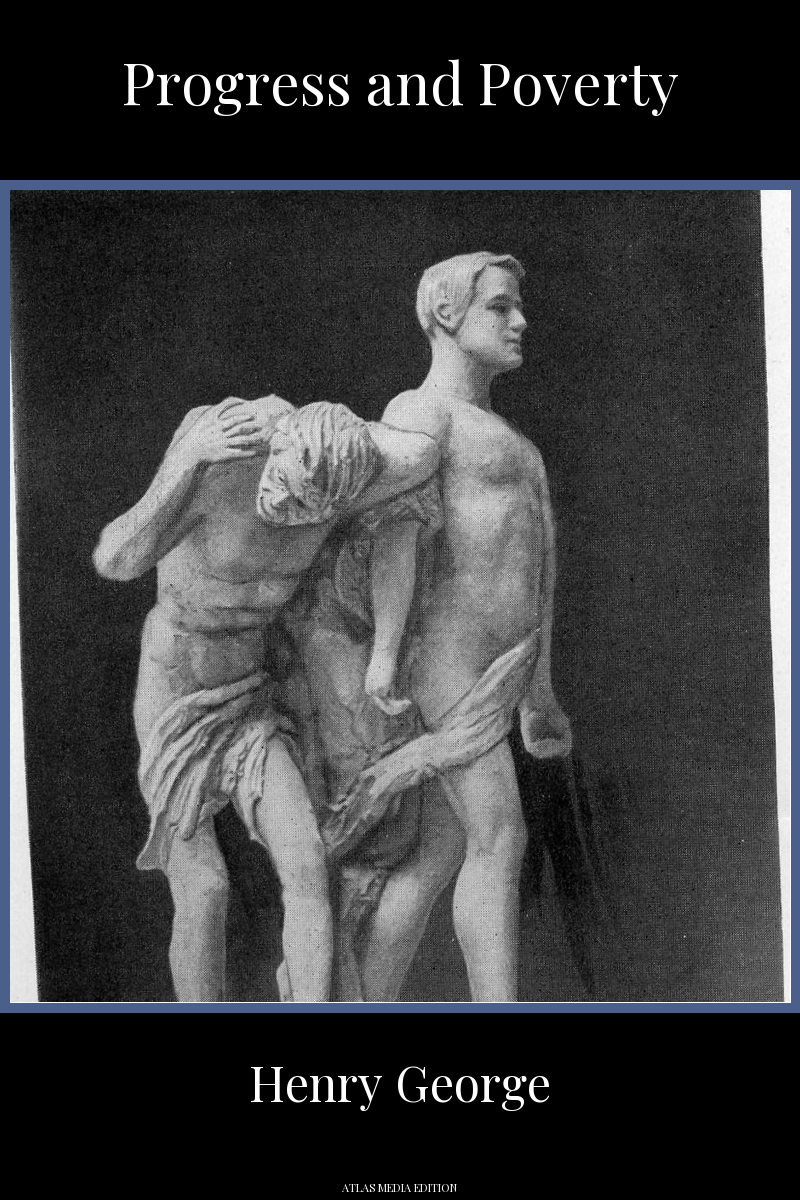
- Novel
Progress and Poverty
- Published: 1879
- Atlas edition: V1.3 ·
- Language: English
ABOUT THE AUTHOR
Henry George
1839–1897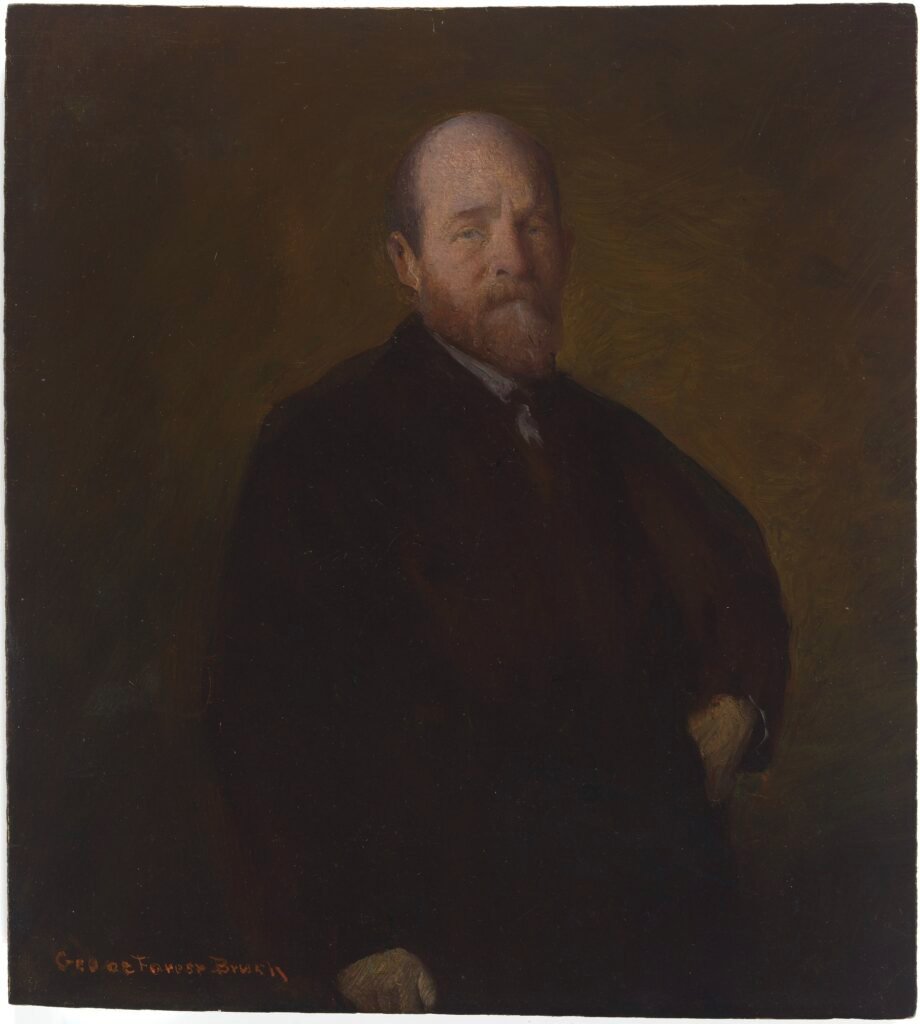
Henry George (1839 to 1897) was the author of Progress and Poverty. The supplied edition includes a portrait captioned as showing him when writing the book in San Francisco in 1879, and the dedication is dated San Francisco, March 1879. His preface says he first set out his views in a pamphlet, Our Land and Land Policy, published in San Francisco in 1871. Wikipedia describes him as a social theorist and economist.
ABOUT THE WORK
Progress and Poverty
Progress and Poverty, by Henry George, is an inquiry into a puzzle that troubled the nineteenth century: why industrial depressions recur, and why want grows alongside wealth. The full title is Progress and Poverty: An Inquiry into the Cause of Industrial Depressions and of Increase of Want with Increase of Wealth: The Remedy. The dedication in the supplied edition is dated San Francisco, March 1879, and is addressed to those who see the vice and misery born of the unequal distribution of wealth and privilege, and who feel the possibility of a higher social state.
In his preface to the fourth edition, George says the views were first stated briefly in a pamphlet, Our Land and Land Policy, published in San Francisco in 1871. He wanted to set them out fully, and the book is his attempt to go over the whole ground. He writes for readers with no previous study of economics as well as for those familiar with it, and he relies on facts of common observation that any reader can check.
The argument begins with the facts that suggest the inquiry. George then examines the current explanation of why wages tend toward a bare living despite growing productive power. He argues that the prevailing wage doctrine rests on a misconception: wages are produced by the labor for which they are paid, and should rise with the number of laborers. He then takes on the Malthusian doctrine that population tends to outrun subsistence, and he holds that it has no real support in fact or analogy.
Having cleared this ground, George turns to the laws governing the distribution of wealth among rent, interest and wages. He accepts the existing law of rent but says its full scope has been missed. The cause that fixes what goes to the landowner also fixes what remains for labor and capital. He works out interest and wages independently, separates the legitimate earnings of capital from the profits of monopoly, and concludes that the three laws support one another. With material progress, rent advances everywhere, which explains why wages and interest do not.
He then asks what drives rent upward. Population growth and improved methods of production both raise land values when land is private property. Speculation in land adds a further force, and George argues that it produces periodical industrial depressions and presses laborers toward bare subsistence wages.
George next tests the other remedies then favored for improving the condition of working people and finds that none can last. Only making land common property will relieve poverty permanently. The inquiry moves into ethics, where he distinguishes property in things made by labor, which has a natural basis, from property in land, which he says has none. He argues that private ownership of land leads to the enslavement of the laboring class.
The final stage is practical. George proposes that society claim the common right to land through a simple method: abolish all taxation except that on land values. He argues that this would greatly increase production, secure justice in distribution, benefit all classes and open the way to a higher civilization. The book then widens its view to the course of civilization itself.
WHY IT MATTERS
Why Progress and Poverty matters
Progress and Poverty matters because it treats poverty as a problem of structure rather than of individual failing or natural law. George refuses to accept that misery must accompany material advance, and he looks for the mechanism that links the two. That question remains alive wherever rising prosperity and housing costs, or rising output and insecurity, appear side by side.
The book is also notable for its method. George says his evidence is common knowledge, open to every reader, and he builds his case step by step, testing rival explanations before offering his own. Whether or not a reader accepts his conclusions, the text shows how an economic argument can be addressed to the general public rather than only to specialists.
His central claim, that the gains of progress flow to the owners of land through rising rent, gives land a special place in economic thought. It invites readers to ask who captures the value created by communities, and whether the value of location is rightly private. His proposed remedy, taxing land values in place of other taxes, shaped later debates on taxation and land reform, and it is still discussed in those terms.
The work is equally a moral argument. George moves from economics into ethics and statesmanship, insisting that justice and efficiency point the same way. Readers may find that fusion persuasive or may dispute it, but it explains why the book was written as a call to action as much as an inquiry.
For a modern reader, the book is valuable as a historical document and as a living challenge. It shows how a nineteenth century economist confronted industrial depressions and the Malthusian pessimism of his day, and it leaves open questions about ownership, rent and fairness that economic debate has not retired.
Edition Record
- First publication
- 1879
- Textual basis
- Source text: Project Gutenberg, https://www.gutenberg.org/ebooks/55308
- Atlas edition
- V1.3 ·
- Language
- English
Prepared from the recorded source and the reviewed Atlas working edition.
Accessibility: EPUB and PDF are offered where approved; accessibility features have not been independently certified.
Source & Rights
- Text source
- Project Gutenberg

Progress and Poverty by George, Henry. Source text prepared from Project Gutenberg ebook 55308.