WeRise · Pillar 5
Democracy and Rights
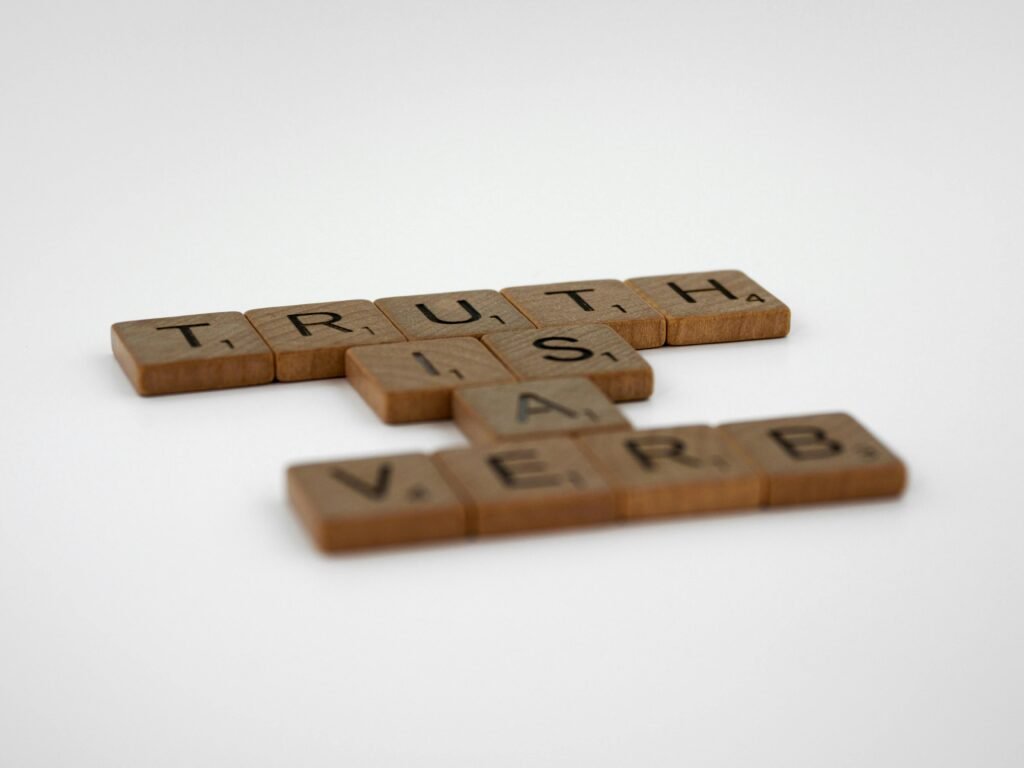
Truth is a responsibility. So shouldn't the powerful be responsible for it?
Democracy and Rights asks how power stays answerable to people. Elections, independent journalism and personal privacy shape our ability to question decisions, hear competing ideas and take part in public life.
What Democracy and Rights covers
Democracy and Rights is about the machinery that keeps power answerable to the people it serves: how we vote and how elections are funded, whether a free press can find out what the powerful would rather hide, and what rights a person keeps over their own information in a digital world.
When these work, power can be questioned, challenged and changed peacefully. When they strain, the appearance of democracy can continue while its substance thins.
These questions reach beyond parliament. They concern the resident trying to understand a council decision, the journalist asking who benefited from a contract, and the person deciding whether an app really needs their personal information. Each needs a fair chance to ask questions and a way to challenge an answer.
In a democracy, truth is the check on power.
How Australia has seen democracy and rights
Australia’s democratic institutions developed through successive changes. The history of voting in Australia includes the secret ballot, South Australian women gaining voting rights in 1894, compulsory federal voting in 1924 and the establishment of the independent Australian Electoral Commission in 1984. First Nations people gained the federal right to enrol and vote in 1962. This history is a reminder that participation has had to be widened, not simply assumed.
Other safeguards developed alongside elections. The Privacy Act 1988 created a framework for protecting personal information. The National Anti-Corruption Commission began operating in July 2023. These institutions serve different purposes, but share a concern with the responsible use of power.
Looking back helps separate democratic principles from the particular arrangements used to protect them. Rules can be improved without abandoning the principle that people should be able to scrutinise decisions made in their name.
Democracy and Rights in everyday life
Today the practical questions include how people distinguish reporting from promotion, understand political influence and retain control over their information. A useful democracy needs more than access to a ballot paper. It needs information people can examine and institutions whose decisions can be questioned.
Consider a local decision that affects a neighbourhood. Residents need to know what is proposed, who is making the decision and how to contribute. Reporting can explain the competing arguments. Clear records can make the reasoning visible. Privacy matters too: participating in public life should not mean surrendering every part of a private life.
This pillar brings those questions into view without treating every disagreement as a democratic failure. People can disagree strongly and still share an interest in fair processes, reliable information and meaningful accountability. The linked policy pages explore the evidence and reform directions in greater detail.
Why these policies belong together
Elections, a free press and digital rights are three checks on one thing: power. Elections decide who holds it. A free press reports how it is used. Privacy limits how much power others can hold over us through what they know.
Weaken one and the others carry more weight. Strengthen all three and a democracy can correct its own mistakes.
Start with Electoral and Democratic Reform if your question is how decisions acquire a public mandate. Choose Press Freedom and Truth to explore how information reaches the public, or Digital Rights and Privacy to consider the power held through personal data. Together, the three offer different entry points into the same question: can people understand, challenge and influence the decisions that shape their lives?
Power without accountability is not governance.
The policies in this pillar
Three ideas, one check on power. Pick the one you care about.

Electoral and Democratic Reform
The People's Covenant
Is democracy something you do once every three years, or every day?
Read the Electoral and Democratic Reform policy →Press Freedom and Truth
Truth Matters
Who decides what you get to know?
Read the Press Freedom and Truth policy →Digital Rights and Privacy
Own Your Own Story
Your data should not be the price of living a modern life.
Read the Digital Rights and Privacy policy →
Want the evidence as it grows?
The Atlas Brief is being refreshed. Sign-ups open soon. Every policy page lists its sources so you can check them yourself.
Last reviewed 9 October 2026 · Published by Atlas Media