WeRise · Pillar 5
Democracy & Rights
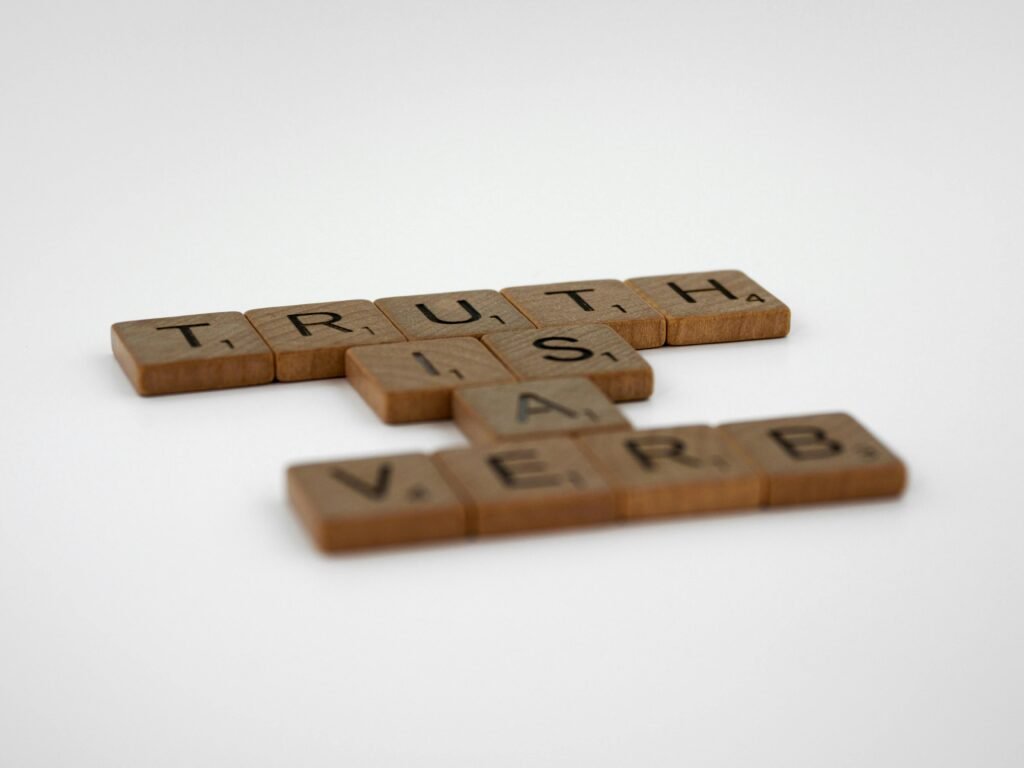
Truth is a responsibility. So shouldn't the powerful be responsible for it?
Democracy rarely fails loudly. It fails quietly: one donation, one press release mistaken for journalism, one law that shields the powerful from scrutiny.
What Democracy & Rights covers
Democracy & Rights is about the machinery that keeps power answerable to the people it serves: how we vote and how elections are funded, whether a free press can find out what the powerful would rather hide, and what rights a person keeps over their own information in a digital world.
When these work, power can be questioned, challenged and changed peacefully. When they strain, the appearance of democracy can continue while its substance thins.
In a democracy, truth is the check on power.
How Australia has seen democracy and rights
Australia has a proud record of democratic invention. Victoria and South Australia introduced the secret ballot in 1856, and it was copied so widely that it became known abroad as the Australian ballot. South Australian women won the right to vote and to stand for parliament in 1894. Compulsory voting in federal elections began in 1924, and the independent Australian Electoral Commission was created in 1984.
Other protections came more slowly. The Privacy Act arrived in 1988, before most homes had the internet. A national anti-corruption commission began work only in 2023. Australia remains one of the few democracies without a national bill or charter of rights.
How it is seen now
Today the pressure points are trust and information. Many Australians doubt that government acts in their interest. News ownership is highly concentrated and local newsrooms have closed. Political donations and lobbying are under scrutiny, and personal data is collected on a scale the 1988 law never imagined.
None of this is unique to Australia, and none of it is inevitable. These are policy settings, and policy settings can be changed.
Why these policies belong together
Elections, a free press and digital rights are three checks on one thing: power. Elections decide who holds it. A free press reports how it is used. Privacy limits how much power others can hold over us through what they know.
Weaken one and the others carry more weight. Strengthen all three and a democracy can correct its own mistakes.
Power without accountability is not governance.
The policies in this pillar
Three ideas, one check on power. Pick the one you care about.

Electoral & Democratic Reform
The People's Covenant
Is democracy something you do once every three years, or every day?
Read the Electoral & Democratic Reform policy →Press Freedom & Truth
Truth Matters
Who decides what you get to know?
Read the Press Freedom & Truth policy →Digital Rights & Privacy
Own Your Own Story
Your data should not be the price of living a modern life.
Read the Digital Rights & Privacy policy →
Want the evidence as it grows?
The Atlas Brief is being refreshed. Sign-ups open soon. Every policy page lists its sources so you can check them yourself.
Last reviewed 9 October 2026 · Published by Atlas Media