
Literature & Cultural mirrors
Literature & cultural mirrors don’t just describe the world. They createe the emotional and imaginative vocabulary through which we understand it. The novels, stories, poems, and plays collected in this wing are not decoration; they are the primary documents of human inner life, the archives of feeling and imagination that no other form of knowledge can replace. Reading fiction builds empathy. Empathy builds civilisation. This is not a small claim.
Tales of Wonder
Baum wanted to write a fairy tale without the darkness. What he created instead was an entirely new form of the American wonder tale, a fantasy rooted not in European folklore but in the optimism and strangeness of the New World. This shelf collects the foundational works of imaginative literature, the books that invented the genres, created the worlds, and gave generations of readers the permission to believe that reality was not the only option.
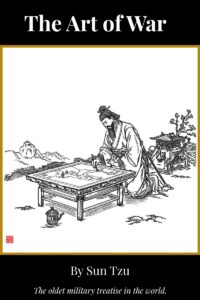
The Art of War
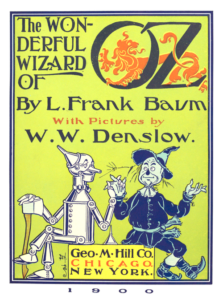
The Wonderful Wizard Of Oz
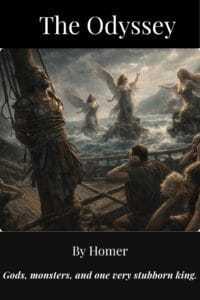
The Odyssey
The Conquest of Bread
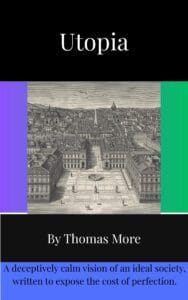
Utopia
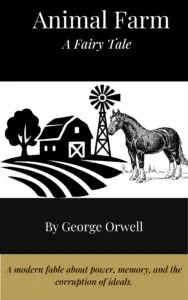
Animal Farm
The Gothic Imagination
The Gothic tradition understood something that polite literature preferred to ignore, that the darkness is not outside the house. It is in the house. It is the house. This shelf collects the great works of Gothic and dark romantic literature, from the first ghost stories to the Victorian masters to the contemporary writers who have discovered that horror, properly deployed, is a form of truth-telling.
The Art of War
The Wonderful Wizard Of Oz
The Odyssey
The Conquest of Bread
Utopia
Animal Farm
The Great Realists
Dickens knew that the novel could do what journalism could not: make you feel what it was like to be a child in a blacking factory, a debtor in a Victorian prison, a woman with no legal existence in a society that depended on her labour. This shelf collects the great works of literary realism, the novels that insisted on looking at the world as it actually was for the people living in it.
The Art of War
The Wonderful Wizard Of Oz
The Odyssey
The Conquest of Bread
Utopia
Animal Farm
Voices of the Dispossessed
The history of political thought is largely a history of who got to do the thinking, and who didn’t. This shelf corrects the record. The suffragists, the abolitionists, the colonised writing back to the colonisers, the workers who organised before organising was legal, the communities whose political philosophies were dismissed, suppressed or simply never translated. The margins have always contained the most interesting arguments.
The Art of War
The Wonderful Wizard Of Oz
The Odyssey
The Conquest of Bread
Utopia
Animal Farm
Love, Loss & the Human Condition
The novel was invented to explore the inner life to go where history and philosophy could not, into the private experience of being human. This shelf collects the great works of literary fiction that take as their subject the fundamental experiences of human existence: love, grief, connection, isolation, and the impossible difficulty of understanding another person.
The Art of War
The Wonderful Wizard Of Oz
The Odyssey
The Conquest of Bread
Utopia
Animal Farm
The Comic Tradition
Satire is the oldest and most dangerous form of political speech. Comedy is how cultures process what they cannot otherwise face. This shelf collects the great works of comic and satirical literature, from Aristophanes to Swift to Wodehouse to the contemporary satirists, with full recognition that the funniest books are often the most serious ones.
The Art of War
The Wonderful Wizard Of Oz
The Odyssey
The Conquest of Bread
Utopia
Animal Farm
The Great Adventures
Adventure literature is not escapism. At its best, it is a laboratory for testing human character under pressure, a space where questions of courage, loyalty, morality, and endurance can be explored without the complications of ordinary social life. This shelf collects the great adventure narratives, from the classical epics to the Victorian sea stories to the 20th-century explorers.
The Art of War
The Wonderful Wizard Of Oz
The Odyssey
The Conquest of Bread
Utopia
Animal Farm
Poetry & the Unspoken
Poetry exists because some things cannot be said in prose. It is the literature of the limit, what language can do when it is pushed to the edge of what language can do. This shelf collects the essential poetry of the Western and world traditions, organised not by nation or period but by the experience of reading them.
Animal Farm
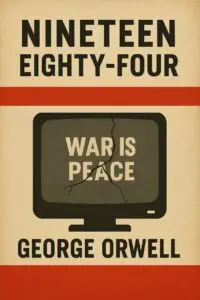
Nineteen Eighty-Four
The Short Story Masters
The short story is the hardest form in fiction and the least celebrated. A great short story does in ten pages what a novel takes three hundred to accomplish, which requires a precision and economy that most writers never achieve. This shelf collects the masters of the form, from Chekhov and Maupassant to the contemporary writers who have proven that brevity is not a limitation but a discipline.
The Art of War
The Wonderful Wizard Of Oz
The Odyssey
The Conquest of Bread
Utopia
Animal Farm
The Satirists & Their Targets
Every age gets the satirists it deserves, and every satirist eventually becomes the thing they were satirising, which is perhaps the darkest joke the form has to offer. This shelf collects the great works of literary satire, with attention to both the targets and the weapons, and the question of whether satire has ever actually changed anything.
The Art of War
The Wonderful Wizard Of Oz
The Odyssey
The Conquest of Bread
Utopia
Animal Farm
Literature & Cultural Mirrors
Literature does not explain the world. It does something more useful, it makes you feel what it is like to inhabit a different life, a different time, a different skin. Empathy is not a soft skill. It is the foundation of every functioning society, and fiction is its most efficient delivery mechanism. The volumes on these shelves have been building that capacity in readers for centuries, which is why every authoritarian regime in history has understood that burning books is a political act. Browse the full collection in the Librarium, or visit the Project Gutenberg for the world’s largest collection of free public domain literature, the same source from which many of these editions were prepared.
Animal Farm